How to achieve a year’s worth of progress in four days: 8 insights from leading forum organizers
Ahead of the upcoming season of international business activity, we engaged with organizing teams from leading global forums to explore how such platforms can be leveraged to maximize outcomes.

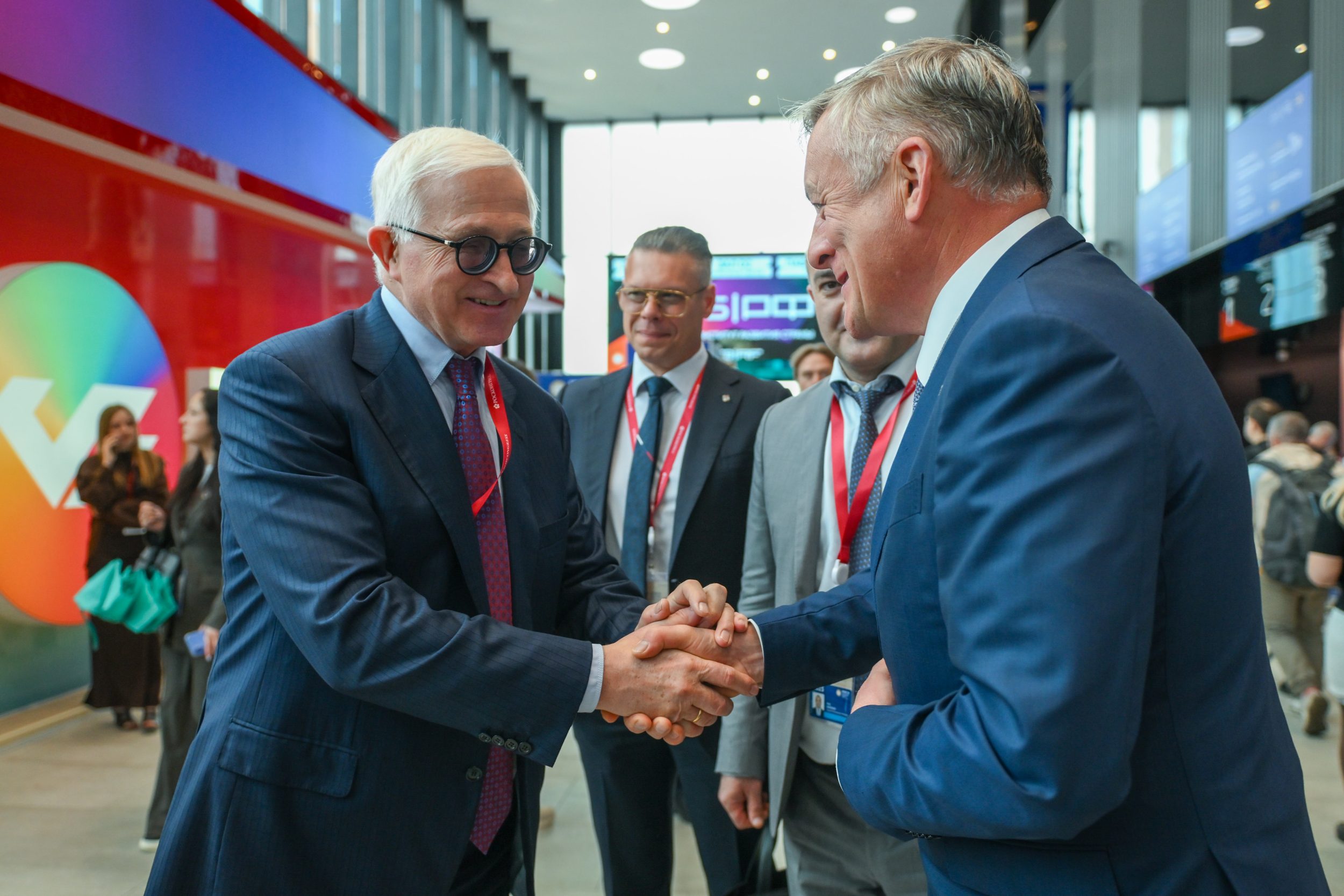
In today’s business environment, time is the most valuable and irreplaceable resource. At the same time, traditional sales cycles and partnership-building processes are becoming increasingly prolonged, often constrained by limited access to decision-makers and communication that does not always translate into action. Over the years, we have observed that market leaders are increasingly able to compress annual performance targets into just a few days by using international business forums not only as platforms for their image, but as an instrument of operational efficiency.
Ahead of the upcoming season of international business activity, we engaged with organizing teams from leading global forums to explore how such platforms can be leveraged to maximize outcomes. Some of the recommendations relate to preparation for participation, while others focus on improving business communication and relationship-building. You may choose the elements most relevant to your needs.
Step 1. Build a team for participation
Experienced forum participants recognize that coordinated team participation is significantly more effective than attending individually. Prepare a delegation list and clearly assign roles, responsibilities, and areas of accountability on-site: who will lead negotiations, manage operational issues, present proposals, and develop new business connections. This enables your team to operate across multiple parts of the business programme simultaneously and increases the number of high-quality contacts.
Step 2. Review the participant list and schedule meetings in advance
Participants have the opportunity not only to see in advance who will attend the Forum, but also to proactively reach out and schedule meetings at the venue. This saves time and helps to establish a structured agenda for engagement. As a result, you arrive at the event fully prepared, with clear ideas and proposals, without spending time searching for the “right people” among unfamiliar participants.
Step 3. Invite partners for negotiations or agreement signing
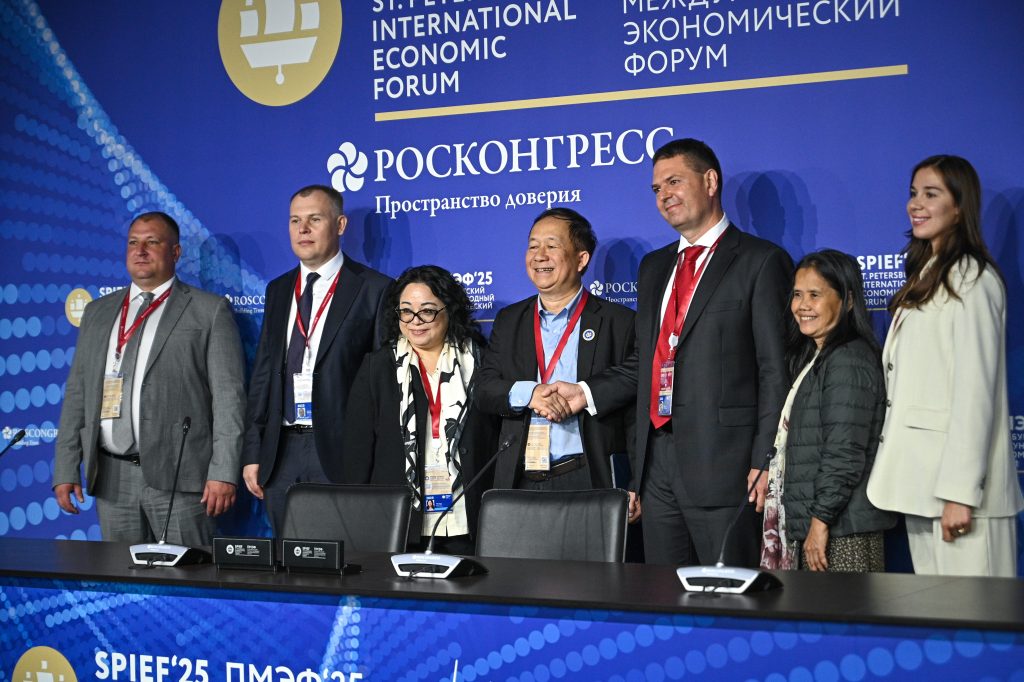
Major international forums provide dedicated spaces for press conferences, briefings, agreement signing ceremonies, as well as interview rooms and press briefing points.
Organizing a press event or signing ceremony helps strengthen a company’s position, showcase its achievements, and amplify visibility through media coverage.
Step 4. Review the venue map and plan your route in advance
The scale, diversity, and dynamic nature of major international forums can sometimes be overwhelming and may distract participants from their objectives. It is essential to download and study the venue map in advance. Identify the key areas you need to access and plan your routes accordingly to ensure punctual attendance at meetings and sessions.
Step 5. Prepare for participation in the business programme. Prioritize key sessions and review others later
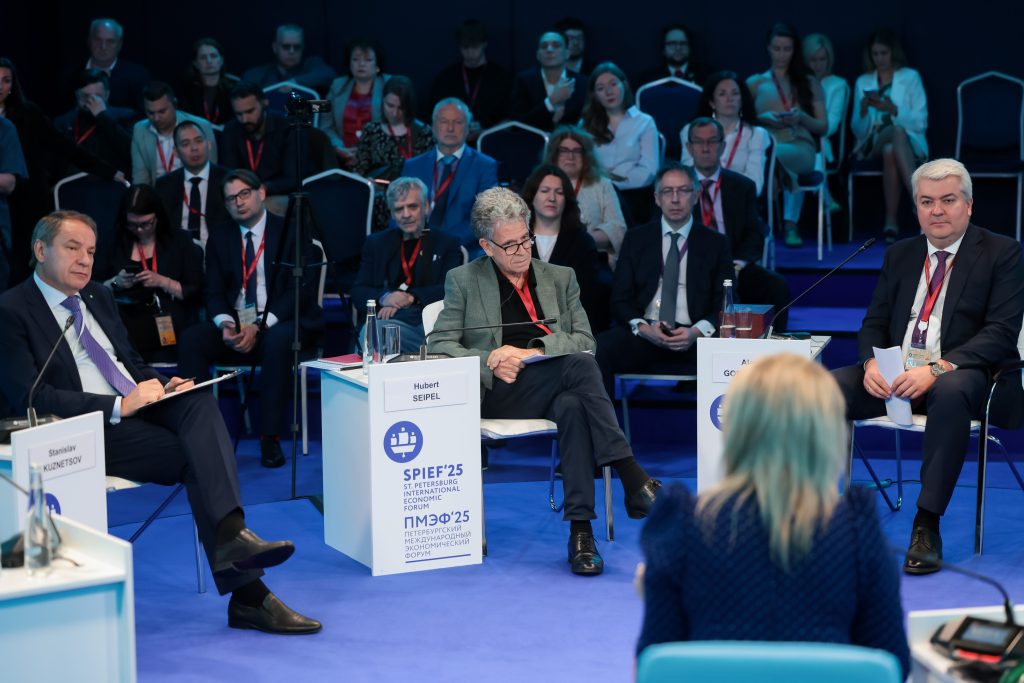
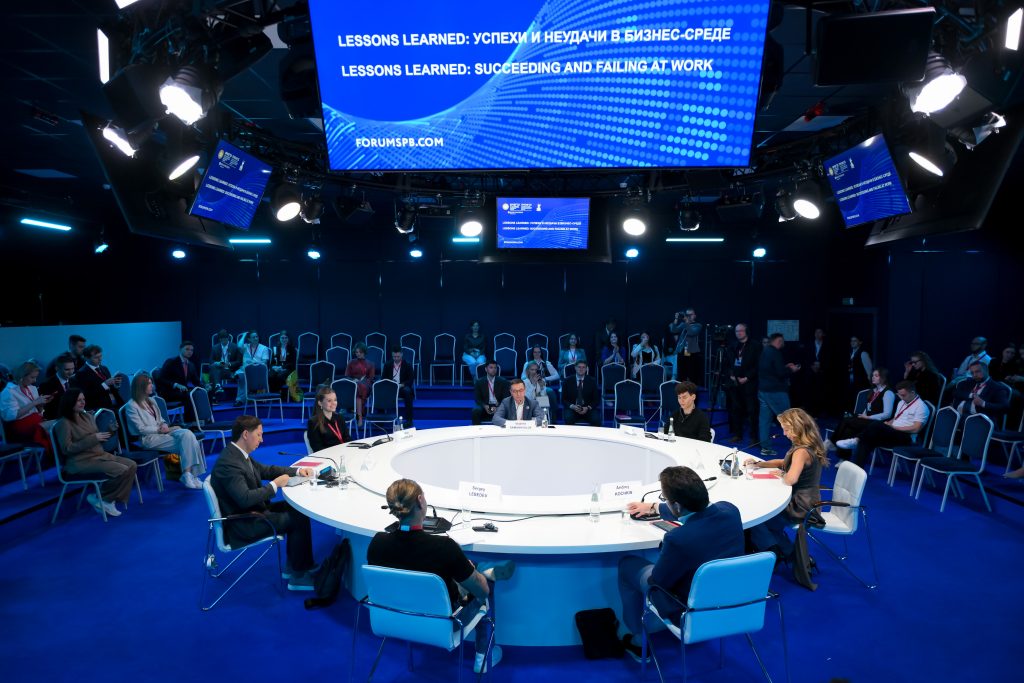
It is not possible to attend dozens of sessions, roundtables, and meetings over just a few days of the Forum. Therefore, it is essential to select the most relevant sessions in advance – those that are expected to feature key experts, company representatives, and government officials – and include them in your on-site schedule. Many sessions also allow participants to engage directly with speakers. It is advisable to prepare questions in advance in order to facilitate meaningful dialogue. Other events that are of interest but do not require physical attendance can be reviewed later via recorded sessions.
Step 6. Treat exhibition stands as business opportunities
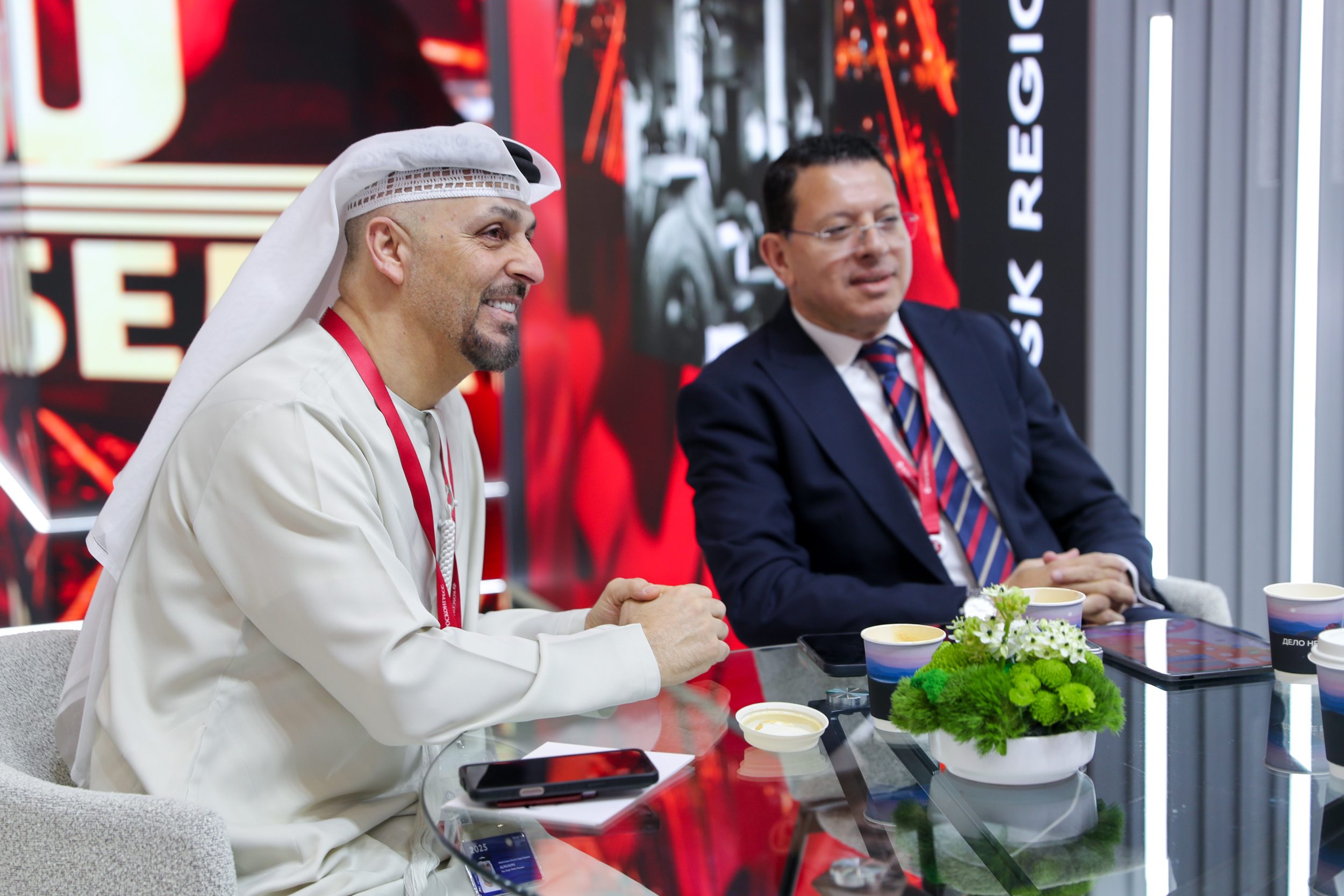
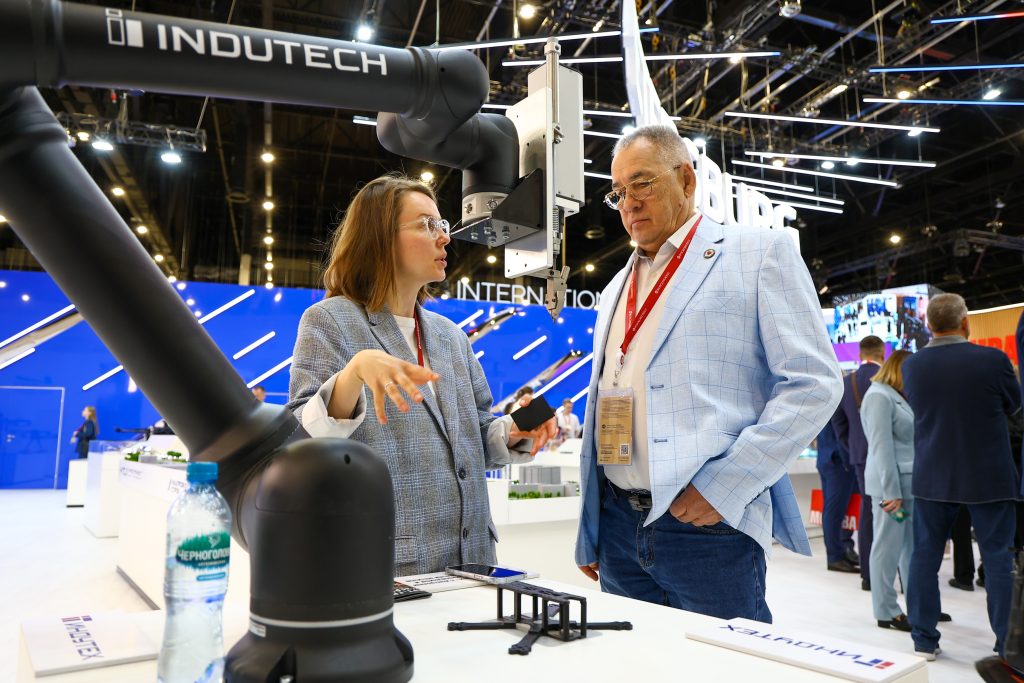
Partners and exhibitors at SPIEF showcase visually impressive stands. However, it is important to remember that these stands are first designed for business interaction. Here, participants can meet senior executives and representatives of regional administrations of the Russian Federation, engage in discussions within dedicated meeting areas, and exchange relevant information and contacts through on-site coordinators.
Step 7. Be where your target audience and like-minded professionals gather
For example, thematic spaces at SPIEF are dedicated to specific topics and attract industry experts, manufacturers, distributors, and market regulators. Such environments make it easier to establish connections, as they encourage more informal and interest-driven dialogue.
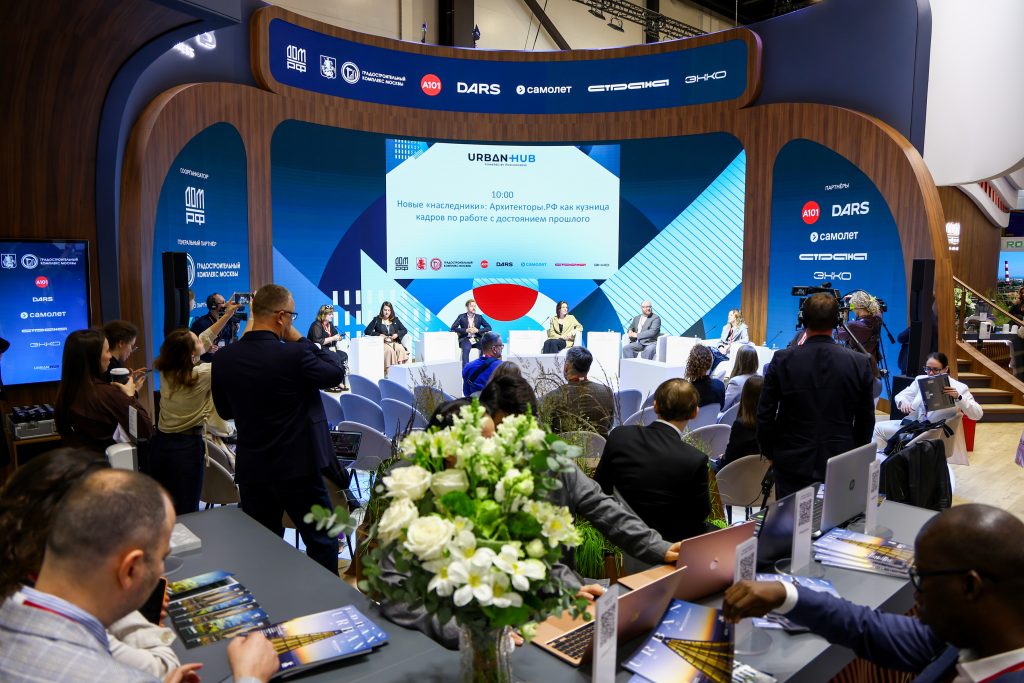

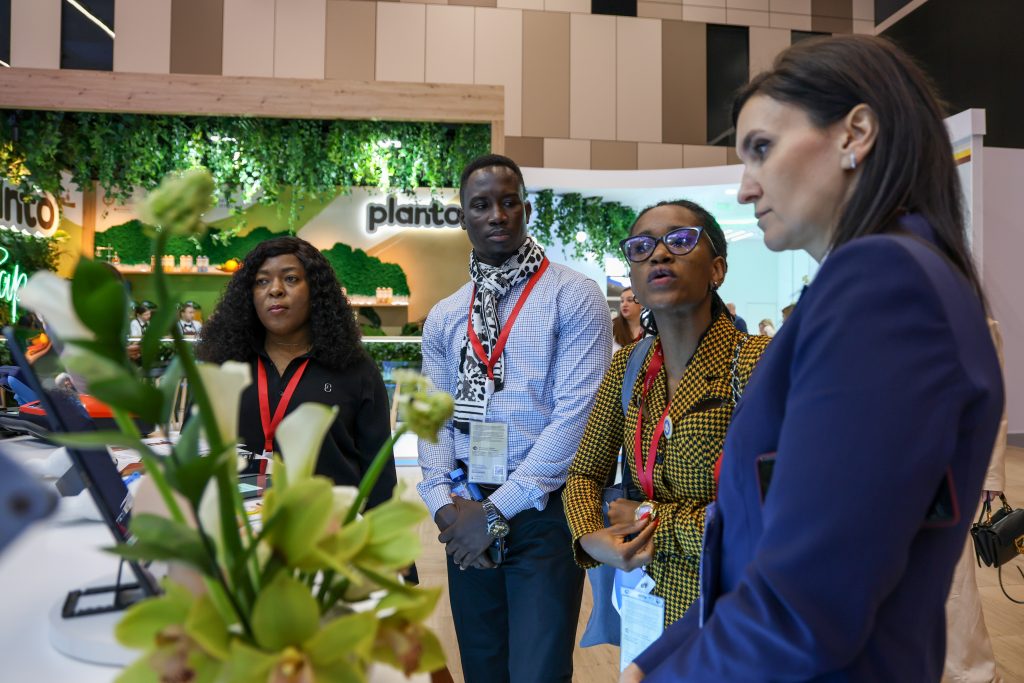
Industry-focused events within major international forums have also proven to be effective hubs for professional communities, serving as key points of attraction within their respective sectors.
Step 8. Plan participation in informal cultural and sports events
In many cases, the most meaningful professional connections are established outside formal negotiation settings, in informal environments such as social events, sports tournaments, lounges, and coffee break areas. Participants are encouraged to actively engage in these spaces and remain open to spontaneous networking opportunities.
Read more about international market opportunities in the ‘Blog’ section.