19–20 December 2025, Cairo, Egypt
Second Ministerial Conference of the Russia–Africa Partnership Forum
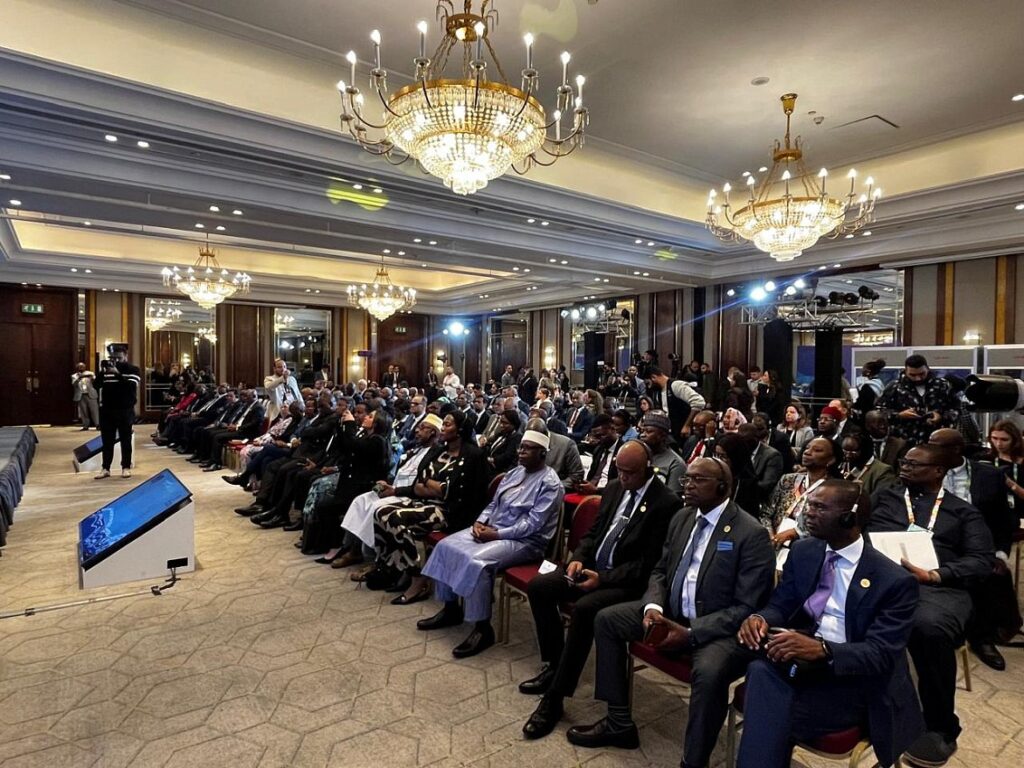
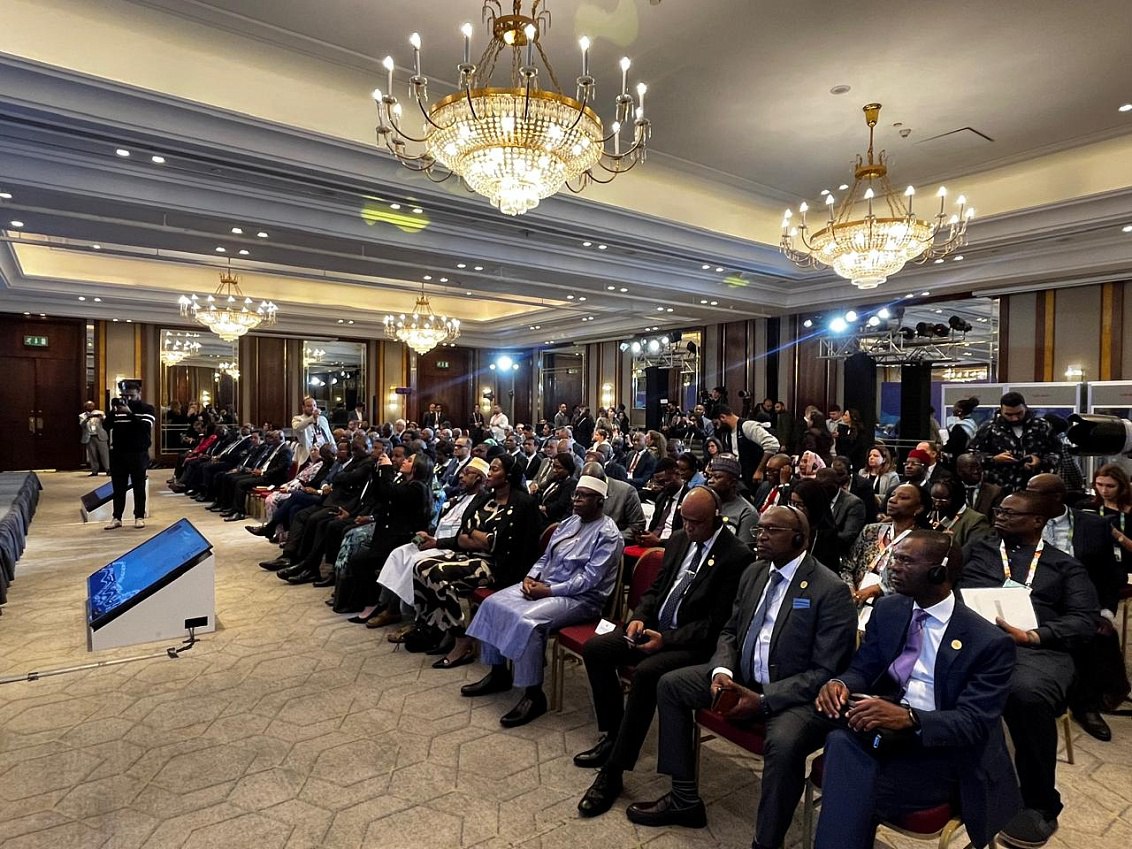
The Second Ministerial Conference of the Russia–Africa Partnership Forum was held in Cairo, the capital of Egypt, on 19–20 December. This was the first time that the meeting was held on the African continent, and was attended by the heads and representatives of foreign ministries of 52 African states, and the executive bodies of eight regional integration associations.
| Minister of Foreign Affairs of the Russian Federation Sergey Lavrov and his African counterparts spoke at the first plenary session of Second Ministerial Conference of the Russia–Africa Partnership Forum in Cairo.
The dialogue ‘Strengthening Trilateral Cooperation’, that took place in Cairo on 19 December, was part of the pre-event on the sidelines of the Second Ministerial Conference of the Russia–Africa Partnership Forum in Cairo. The discussion participants included: Deputy Minister of Foreign Affairs of Egypt and Ambassador Abu Bakr Hefny Mahmoud; Minister of Higher Education and Scientific Research of the Republic of Mali Bouréma Kansaye; Deputy Minister of Science and Higher Education of the Russian Federation Konstantin Mogilevsky; Chairman of the Board and CEO of the Roscongress Foundation Alexander Stuglev; Director of Educational Programmes, Human Resources Management Department at Rosatom State Atomic Energy Corporation Valery Karezin; Vice-Rector for International Affairs at Empress Catherine II Saint Petersburg Mining University Yevgeny Lyubin; Director of Investment Promotion and Facilitation at the Tanzania Investment and Special Economic Zones Authority (TISEZA) James Michael Maziku; Managing Director of Trade Finance and Correspondent Banking at the African Export-Import Bank (Afreximbank) Gwen Mwaba; and Director of Credit Products for Banks and Financial Institutions at the Russian Export Center Group Viktoria Strizhakova. The participants discussed a wide range of issues concerning the development of the Russian–African partnership, including the expansion of economic and investment cooperation, the launch of joint infrastructure and energy projects, cooperation in education, science and personnel training, and humanitarian and cultural exchanges. Particular attention was paid to the creation of sustainable dialogue formats that could help transition from discussions to the practical implementation of initiatives. |